The Ultimate Guide to E-Commerce Digital Platforms
The Ultimate Guide to E-Commerce Digital Platforms
E-commerce has become one of the most powerful ways to start and grow a business in 2026. But behind every successful online store is a digital platform working quietly in the background — handling everything from product listings to payments and shipping. Choosing and understanding the right e-commerce platform can be the single biggest factor in whether your online business thrives or struggles. This ultimate guide breaks down everything you need to know about e-commerce digital platforms.
What Is an E-Commerce Digital Platform?
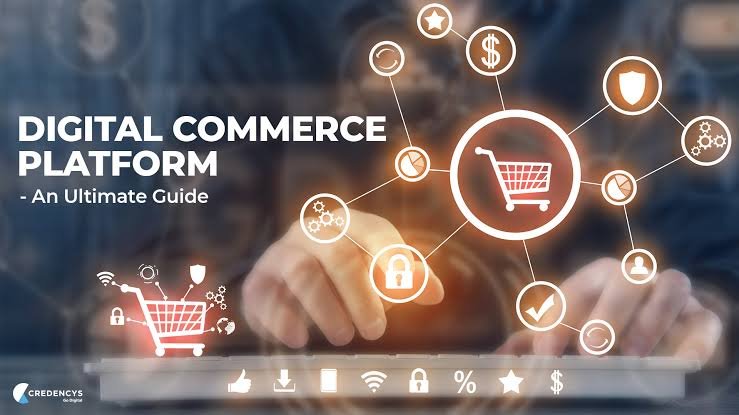
An e-commerce digital platform is a software system or marketplace that allows businesses to sell products or services online. It typically handles core functions such as product listings, shopping carts, payment processing, order management, and customer communication — all in one place. Some platforms are marketplaces where sellers list products alongside thousands of others, while others are standalone website builders that give brands full control over their own store.
Types of E-Commerce Platforms
1. Marketplace Platforms
These are large, established platforms where multiple sellers list products under one roof. They offer built-in traffic, buyer trust, and simplified logistics, but come with more competition and platform fees.
2. Self-Hosted Store Builders
These platforms let you build a fully branded online store with your own domain, design, and customer database. They offer more control and better long-term brand building, though they require more setup and marketing effort to drive traffic.
3. Social Commerce Platforms
Built directly into social media apps, these platforms let customers discover and buy products without leaving the app — ideal for visually appealing, impulse-friendly products.
4. Dropshipping and Print-on-Demand Platforms
These allow entrepreneurs to sell products without holding inventory, with the platform handling fulfillment directly from suppliers.
Key Features to Look For
When evaluating an e-commerce platform, focus on:
- Ease of use – Can you manage listings, orders, and inventory without technical expertise?
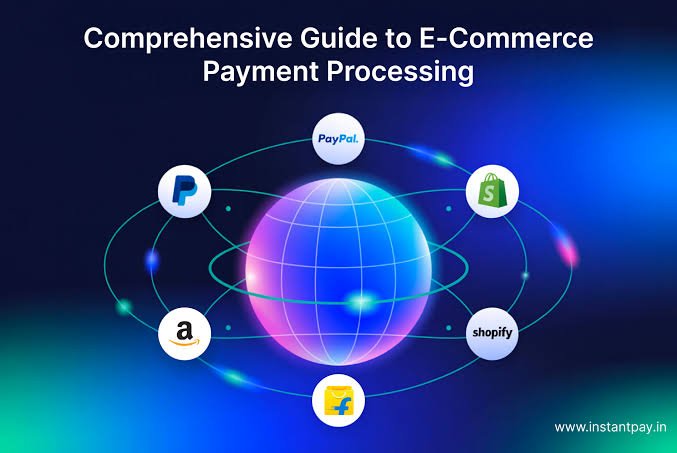
- Payment integration – Does it support secure, region-appropriate payment methods?
- Mobile optimization – Is the shopping experience smooth on mobile devices?
- SEO capabilities – Can product pages be optimized for search engines?
- Customer support tools – Are there built-in messaging, review, or chatbot systems?
- Analytics and reporting – Can you track sales trends, traffic sources, and customer behavior?
- Scalability – Will the platform support growth as your product line or order volume increases?
Benefits of Using E-Commerce Digital Platforms
- Lower startup costs compared to building custom software
- Built-in security for payments and customer data
- Faster time to market — stores can go live within days
- Access to a global customer base, especially on marketplace platforms
- Automation for inventory, shipping, and order tracking
Common Challenges to Watch For
- Platform fees can eat into profit margins, especially on high-traffic marketplaces
- Limited branding control on some marketplace platforms
- Dependency risk — algorithm or policy changes on a platform can directly impact sales
- Increasing competition as more sellers join popular platforms
How to Choose the Right E-Commerce Platform for Your Business
- Define your product type and target audience.
- Decide whether you want marketplace exposure or full brand control.
- Compare fee structures and payment options.
- Test the platform’s mobile and checkout experience as a customer would.
- Check available integrations for marketing, accounting, and shipping tools.
- Start small, measure results, and scale on the platform that performs best.
Future Trends in E-Commerce Platforms
Looking ahead, e-commerce platforms are increasingly integrating AI-powered product recommendations, voice and visual search, one-click checkout systems, and deeper social media integration. Sustainability features — such as carbon-neutral shipping options — are also becoming a competitive differentiator for brands looking to appeal to conscious consumers.
Final Thoughts
E-commerce digital platforms have made it easier than ever to launch and grow an online business — but success still depends on choosing the platform that matches your product, audience, and long-term goals. Whether you go with a marketplace, a self-hosted store, or a hybrid approach, focus on providing a smooth, trustworthy shopping experience, and let the right platform handle the technical heavy lifting.