Social Media Platforms vs Digital Marketing Platforms: Key Differences
Social Media Platforms vs Digital Marketing Platforms: Key Differences
In today’s digital world, businesses use online platforms to reach customers, promote products, build brand awareness, and increase sales. Two terms that are often used together are social media platforms and digital marketing platforms. Although they are closely connected, they are not the same thing.
Understanding the difference between social media platforms and digital marketing platforms can help businesses choose the right tools and create a more effective online marketing strategy.
What Are Social Media Platforms?
Social media platforms are online services where people and businesses can create, share, and interact with content. They are mainly designed for communication, community building, entertainment, and engagement.
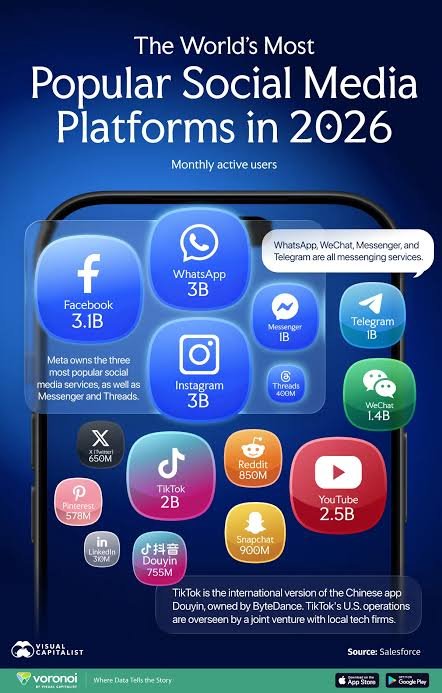
Popular social media platforms include:
- TikTok
- YouTube
- X (Twitter)
- Snapchat
Businesses use these platforms to share videos, images, posts, stories, and other content. They can also communicate directly with their audience through comments and messages.
Benefits of Social Media Platforms
Social media can help businesses:
- Increase brand awareness
- Build relationships with customers
- Share content quickly
- Generate engagement
- Grow an online community
- Receive customer feedback
- Promote products and services
For example, a small business can use Instagram or TikTok to publish short videos and reach potential customers without needing a large advertising budget.
What Are Digital Marketing Platforms?
Digital marketing platforms are broader tools and systems used to plan, manage, measure, and optimize online marketing activities.
Social media can be part of digital marketing, but digital marketing includes many other channels as well.
Examples of digital marketing platforms and tools include:
- Google Ads
- Google Analytics
- Email marketing platforms
- SEO tools
- Content marketing platforms
- Social media management tools
- Customer relationship management (CRM) systems
- Marketing automation platforms
Digital marketing focuses not only on publishing content but also on reaching specific audiences, generating leads, tracking results, and improving marketing performance.
Social Media Platforms vs Digital Marketing Platforms
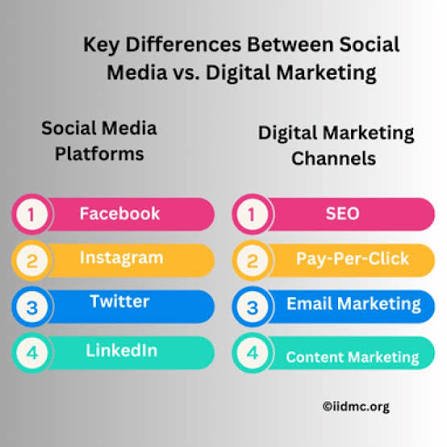
The main difference is their purpose and scope.
| Feature | Social Media Platforms | Digital Marketing Platforms |
|---|---|---|
| Main purpose | Communication and engagement | Marketing and business growth |
| Examples | TikTok, Instagram, Facebook | Google Ads, Analytics, SEO tools, email platforms |
| Content | Posts, videos, stories, images | Ads, emails, SEO content, campaigns, analytics |
| Audience interaction | Very high | Depends on the platform |
| Analytics | Basic to advanced | Often detailed and campaign-focused |
| Main goal | Engagement and community | Leads, conversions, sales, and growth |
Key Difference in Purpose
The biggest difference between the two is what they are primarily designed to do.
Social media platforms focus heavily on interaction and engagement. Users follow accounts, watch videos, comment on posts, share content, and communicate with others.
Digital marketing platforms focus more broadly on marketing activities and measurable business results. They can help marketers attract visitors, generate leads, run advertising campaigns, send emails, optimize websites, and measure conversions.
How Social Media Fits Into Digital Marketing
Social media is actually an important part of digital marketing.
For example, a business might create a TikTok video to attract attention, use Instagram to build its audience, run Google Ads to reach people searching for its products, and use analytics tools to measure website traffic.
This means social media marketing can be considered one component of a larger digital marketing strategy.
Which One Should a Business Use?
Businesses usually do not need to choose only one.
A strong online marketing strategy can combine social media with other digital marketing channels.
For example:
Social Media → Website → SEO/Ads → Lead → Customer
A business can use social media to attract people, its website to provide more information, SEO to gain search traffic, advertising to reach targeted audiences, and analytics to understand which campaigns are producing results.
SEO and Digital Marketing
Search engine optimization (SEO) is another major part of digital marketing. SEO helps websites improve their visibility in search engine results for relevant searches.
A business can use SEO to target keywords related to its products, services, or industry. High-quality content, relevant keywords, useful information, technical optimization, and a good website experience can all contribute to an effective SEO strategy.
Unlike social media content, which can sometimes generate attention quickly and then lose visibility, SEO content can continue attracting organic search traffic over a longer period when it performs well.
Social Media Marketing vs Digital Marketing
It is important to understand that social media marketing and digital marketing are not exactly the same.
Social media marketing mainly uses social networks to promote a brand, communicate with an audience, and generate engagement.
Digital marketing is a much broader concept that can include:
- Social media marketing
- SEO
- Search engine advertising
- Email marketing
- Content marketing
- Affiliate marketing
- Influencer marketing
- Mobile marketing
- Online analytics
Therefore, social media marketing is best understood as one part of the larger digital marketing ecosystem.
Final Thoughts
Social media platforms and digital marketing platforms work together, but they serve different purposes. Social media platforms are primarily focused on communication, content sharing, and audience engagement, while digital marketing platforms cover a wider range of tools used to attract customers, generate leads, increase conversions, and measure marketing performance.
For businesses looking to grow online, understanding this difference can make it easier to build a balanced digital marketing strategy. Instead of relying on a single platform, businesses can combine social media, SEO, advertising, email marketing, content, and analytics to reach their target audience more effectively.
Frequently Asked Questions
1. Are social media platforms part of digital marketing?
Yes. Social media marketing is one of the major components of digital marketing.
2. What is the main difference between social media and digital marketing?
Social media focuses mainly on social interaction, content, and engagement, while digital marketing covers a broader range of online marketing channels and tools.
3. Is SEO part of digital marketing?
Yes. SEO is an important digital marketing strategy used to improve a website’s visibility in search engine results.
4. Which social media platform is best for marketing?
The right platform depends on the target audience, type of content, industry, and marketing goals. Businesses should choose platforms where their potential customers are most active.
5. Can a business use social media and SEO together?
Yes. Social media can help build awareness and engagement, while SEO can help attract organic traffic from search engines. Using both can support a broader online marketing strategy.