How Digital Platforms Are Changing Customer Service Forever

How Digital Platforms Are Changing Customer Service Forever
Customer service has always been an important part of building a successful business. However, the way companies communicate with customers has changed dramatically in recent years. Traditional customer service methods such as phone calls, physical offices, and email are now being complemented—or sometimes replaced—by digital platforms.
From live chat and social media to AI-powered support tools and self-service portals, digital platforms are transforming how businesses answer questions, solve problems, collect feedback, and build stronger customer relationships.
Today, customers expect fast, convenient, and personalized support. They want businesses to be available through the channels they already use. As a result, companies that effectively use digital platforms can provide faster responses, improve customer satisfaction, and create more efficient support systems.
In this article, we will explore how digital platforms are changing customer service, the technologies driving this transformation, their major benefits, challenges, and what the future of customer support may look like.
What Are Digital Customer Service Platforms?
Digital customer service platforms are online tools and technologies that businesses use to communicate with and support their customers.
These platforms can include:
- Live chat systems
- Social media support
- Messaging apps
- Customer relationship management (CRM) systems
- Help desk software
- Self-service portals
- AI-powered chatbots
- Knowledge bases
- Email support platforms
- Mobile applications
Instead of relying on a single communication channel, businesses can connect with customers across multiple digital touchpoints.
This creates a more flexible customer service experience and allows customers to choose the method of communication that is most convenient for them.
Why Digital Platforms Are Important for Customer Service
Customers today are more connected than ever. They can contact a company through a website, social media platform, mobile app, or messaging service within seconds.
Because of this, customer expectations have increased.
Customers commonly expect:
- Quick responses
- Easy communication
- Personalized assistance
- 24/7 access to information
- Multiple support channels
- Simple problem resolution
- Consistent service
Digital platforms help businesses meet these expectations by making customer support faster, more accessible, and easier to manage.
For businesses, digital customer service can also reduce repetitive work and provide valuable information about customer needs and behavior.
1. Faster Customer Support
One of the biggest ways digital platforms are changing customer service is by increasing response speed.
Traditional customer service can sometimes involve long waiting times. Customers may need to call a support number, wait for an available representative, or send an email and wait for a response.
Digital platforms offer faster alternatives.
For example, live chat allows customers to communicate with support teams directly from a company’s website. Automated systems can also provide immediate answers to common questions.
Faster support can improve the overall customer experience because customers spend less time waiting for solutions.
2. 24/7 Customer Assistance
Digital platforms make it possible for businesses to provide customer assistance outside traditional working hours.
AI chatbots, automated help centers, and self-service knowledge bases can help customers find information at almost any time.
For example, a customer may want to know:
- How to reset a password
- How to track an order
- How to update an account
- How to understand a product feature
- How to request a service
Instead of waiting for a support representative, the customer may be able to find the answer immediately through a digital platform.
Human agents can then focus on more complex problems that require personal attention.
3. AI Is Transforming Customer Support
Artificial intelligence is becoming an increasingly important part of digital customer service.
AI-powered systems can help businesses automate repetitive support tasks and provide quick responses to common questions.
AI can assist with tasks such as:
- Answering frequently asked questions
- Guiding customers through basic processes
- Categorizing support requests
- Summarizing customer conversations
- Helping agents find relevant information
- Identifying common customer problems
However, AI does not necessarily eliminate the need for human customer service representatives.
Instead, it can work alongside human teams. Simple questions can be handled automatically while complicated or sensitive issues can be transferred to human agents.
This combination can create a more efficient support experience.
4. Social Media Has Become a Customer Service Channel
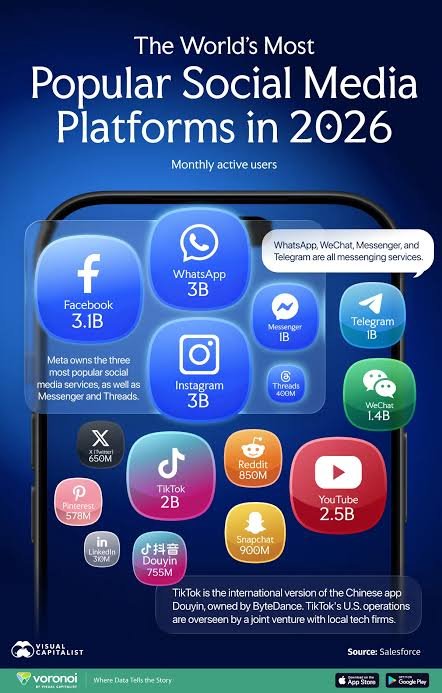
Social media is no longer used only for marketing and entertainment. It has also become an important customer service channel.
Customers may contact businesses through social media comments, direct messages, or platform-based messaging systems.
This creates both opportunities and challenges for companies.
A business that responds quickly and professionally to customer questions can demonstrate that it values its customers.
On the other hand, ignoring customer complaints on public platforms can potentially damage a company’s reputation.
For this reason, businesses increasingly need a strategy for managing customer service across social media.
5. Personalized Customer Experiences
Digital platforms allow businesses to collect and organize customer information in ways that can support more personalized service.
CRM systems, for example, can help customer service teams understand previous interactions with a customer.
Instead of asking customers to explain their entire situation again, an agent may be able to review previous conversations, purchases, or support requests.
Personalization can make customers feel that they are receiving assistance based on their specific situation rather than a generic response.
6. Omnichannel Customer Service
Modern customers often use multiple communication channels.
A customer might discover a company through social media, visit its website, contact support through live chat, and later communicate through email.
Digital platforms make it possible to connect these different channels.
This approach is often called omnichannel customer service.
The goal is to provide a consistent experience regardless of where the customer contacts the business.
For example, if a customer starts a conversation through live chat and later contacts the company through email, the support team may be able to continue the conversation without starting from the beginning.
7. Self-Service Is Becoming More Popular
Many customers prefer solving simple problems themselves rather than contacting a support representative.
Digital platforms make self-service possible through:
- FAQs
- Knowledge bases
- Tutorials
- Video guides
- Help centers
- Automated troubleshooting
- Community forums
A well-designed self-service system can save time for both customers and businesses.
It also allows support teams to focus on issues that require more detailed assistance.
8. Better Customer Feedback
Digital platforms make it easier for businesses to collect customer feedback.
Companies can use surveys, reviews, ratings, social media comments, and support conversations to understand customer experiences.
This information can help businesses identify:
- Common complaints
- Product problems
- Service issues
- Frequently asked questions
- Customer preferences
- Areas for improvement
Customer feedback can therefore become an important source of information for improving products and services.
9. Data Helps Businesses Improve Customer Service
Digital customer service platforms generate large amounts of useful information.
Businesses can analyze support requests to identify patterns.
For example, if many customers contact support about the same problem, the company may discover that its product instructions are unclear.
Similarly, if customers repeatedly ask the same question, the business could create a new FAQ article, tutorial, or automated response.
This turns customer service data into an opportunity for continuous improvement.
10. Digital Platforms Can Reduce Support Costs
Customer service can be expensive when every interaction requires a human employee.
Digital platforms can automate repetitive tasks and help support teams manage larger numbers of customers.
For example, a chatbot can answer common questions while human agents handle more complicated requests.
Self-service resources can also reduce the number of basic support tickets.
This does not mean businesses should remove human support entirely. Instead, digital tools can help companies use their customer service teams more efficiently.
Challenges of Digital Customer Service
Although digital platforms offer many advantages, they also create challenges.
Maintaining the Human Touch
Automation can make customer service faster, but too much automation can make interactions feel impersonal.
Customers with complicated problems may become frustrated if they cannot easily reach a human representative.
Businesses need to find a balance between automation and personal support.
Data Privacy and Security
Customer service platforms often handle sensitive information.
Businesses must take appropriate steps to protect customer data and use information responsibly.
Security should be considered when implementing chat systems, CRM platforms, mobile applications, and other digital tools.
Managing Multiple Channels
Using many communication channels can also create complexity.
Businesses need to ensure that customer information is organized and that support teams can manage conversations across different platforms.
Without proper integration, customers may receive inconsistent answers or need to repeat their information.
Training Customer Service Teams
Digital tools change the responsibilities of customer service employees.
Support teams may need training in CRM systems, communication platforms, AI tools, analytics, and digital communication.
Technology is most effective when employees understand how to use it properly.
The Future of Digital Customer Service
The future of customer service will likely involve an even closer combination of technology and human interaction.
AI-powered support, predictive analytics, automated workflows, voice assistants, and personalized communication may become increasingly common.
Businesses may also use customer data to identify potential problems before customers contact support.
For example, a digital platform could detect unusual activity or repeated errors and provide customers with helpful information before they need to open a support ticket.
The future is therefore not simply about replacing human customer service with technology. It is about using technology to make human support more effective.
How Businesses Can Adapt to Digital Customer Service
Businesses that want to improve their customer service can take several practical steps.
1. Understand Customer Preferences
Find out which communication channels customers actually use.
2. Start With the Most Important Channels
Businesses do not necessarily need to use every digital platform. They should focus on channels that provide the most value to their customers.
3. Use Automation Carefully
Automate repetitive questions while keeping human support available for complex issues.
4. Build a Strong Knowledge Base
Create clear FAQs, tutorials, guides, and troubleshooting resources.
5. Connect Customer Data
Integrating customer service tools with CRM systems can give support teams better context.
6. Monitor Customer Feedback
Regularly analyze reviews, surveys, support tickets, and social media conversations.
7. Train Employees
Employees should understand both the technology and the communication skills needed for digital customer support.
Conclusion
Digital platforms are changing customer service by making support faster, more accessible, personalized, and data-driven. Live chat, social media, AI, CRM systems, self-service tools, and omnichannel communication are giving businesses new ways to connect with customers.
However, technology alone does not guarantee excellent customer service. Businesses still need empathy, clear communication, strong security practices, and well-trained support teams.
The most effective approach is likely to combine digital efficiency with human understanding. Companies that use digital platforms thoughtfully can create smoother customer experiences while allowing their support teams to focus on the problems that require genuine human attention.
As digital technology continues to evolve, customer service will become increasingly connected to the platforms and tools customers already use every day.
Frequently Asked Questions
What are digital platforms in customer service?
Digital platforms are online tools that businesses use to communicate with and support customers. Examples include live chat, social media messaging, help centers, CRM systems, chatbots, and self-service portals.
How does AI improve customer service?
AI can help answer common questions, automate repetitive tasks, organize support requests, and assist customer service representatives in finding information quickly.
Why is digital customer service important?
Digital customer service helps businesses provide faster, more convenient, and accessible support while giving customers multiple ways to communicate.
What is omnichannel customer service?
Omnichannel customer service connects multiple communication channels so customers can receive a more consistent support experience across websites, apps, social media, email, and messaging platforms.
Can digital platforms replace human customer service?
Digital platforms can