How Digital Platforms Are Reshaping Modern Advertising
How Digital Platforms Are Reshaping Modern Advertising
Advertising has changed dramatically with the growth of the internet and digital technology. Traditional advertising methods such as newspapers, television, radio, and billboards are still used, but businesses now have access to powerful digital advertising platforms that allow them to reach specific audiences online.
From social media and search engines to video platforms and websites, digital platforms are changing how businesses create, distribute, and measure advertisements. This transformation has made modern advertising more targeted, measurable, interactive, and accessible.
In this article, we explore how digital platforms are reshaping modern advertising and why they have become an important part of today’s marketing strategies.
What Are Digital Advertising Platforms?
Digital advertising platforms are online systems that allow businesses to promote products, services, brands, or content to internet users.
These platforms can include:
- Search engines
- Social media networks
- Video-sharing platforms
- Websites and display advertising networks
- Mobile applications
- Email marketing platforms
- E-commerce platforms
Businesses can use these platforms to reach potential customers based on factors such as interests, search behavior, location, demographics, and online activity, depending on the platform and its available targeting options.
The Rise of Digital Advertising
The growth of smartphones, social media, search engines, and online shopping has changed how people discover products and services.
Instead of depending entirely on traditional advertising, businesses can now communicate with customers through multiple digital channels.
For example, a customer might discover a brand through a social media video, search for the product on a search engine, visit the company’s website, and eventually make a purchase online.
This connected customer journey has made digital marketing and online advertising important parts of modern business strategies.
More Targeted Advertising
One of the biggest changes brought by digital platforms is the ability to target specific audiences.
Traditional advertising can reach large numbers of people, but it may be difficult to determine exactly who saw the advertisement.
Digital advertising platforms can provide businesses with different targeting options, depending on the platform. These may include:
- Age groups
- General location
- Interests
- Search behavior
- Device type
- Online interactions
- Previous engagement with a business
This allows advertisers to design campaigns around specific audiences rather than using exactly the same message for everyone.
Real-Time Performance Tracking
Another major advantage of digital advertising is measurable performance.
Businesses can often monitor metrics such as:
- Impressions
- Clicks
- Click-through rate
- Website visits
- Engagement
- Leads
- Conversions
- Advertising costs
This information helps marketers understand how campaigns are performing and identify areas that may need improvement.
Unlike some traditional advertising methods, digital campaigns can often be adjusted while they are running.
Social Media Is Changing Advertising
Social media platforms have become an important part of modern advertising.
Platforms such as Facebook, Instagram, TikTok, YouTube, and LinkedIn allow businesses to combine organic content with paid advertising.
Brands can use short videos, images, stories, live content, and sponsored posts to communicate with audiences.
Social media advertising is also highly interactive. Users can comment, share, like, save, or click on advertisements, creating opportunities for businesses to engage directly with potential customers.
Video Advertising Is Growing
Video has become one of the most important formats in digital marketing.
Short-form videos, product demonstrations, tutorials, reviews, and educational content can help businesses communicate complex ideas quickly.
Video advertising can appear across websites, social media platforms, streaming services, and other digital channels.
For many brands, video provides an opportunity to combine visual storytelling with advertising goals.
Personalization in Modern Advertising
Digital platforms also make it possible to create more personalized advertising experiences.
Instead of presenting exactly the same message to every user, marketers can develop different advertisements for different audience segments.
For example, a business might create separate campaigns for:
- New customers
- Existing customers
- People who visited the website
- People interested in a particular product
- Different geographic markets
Personalization can make advertising messages more relevant, although businesses must also respect privacy requirements and platform policies.
The Role of Data and Analytics
Data plays an important role in modern digital advertising.
Analytics tools help businesses understand how users interact with advertisements and websites. Marketers can use this information to evaluate campaigns, identify trends, and make informed decisions.
For example, if one advertisement receives significantly more engagement than another, a marketing team can study the difference and use those insights when developing future campaigns.
This data-driven approach has changed advertising from a largely broad-reach activity into a process that can be continuously tested and optimized.
Digital Advertising Is More Accessible
Digital platforms have also lowered the barrier to entry for many businesses.
In the past, major advertising campaigns could require significant budgets for television, print, or outdoor advertising.
Today, smaller businesses can use digital channels to promote their products and services with budgets that fit their resources. They can start with smaller campaigns, measure results, and adjust their strategy based on performance.
This has created new opportunities for startups, freelancers, local businesses, and online entrepreneurs.
The Importance of Mobile Advertising
Smartphones have become an important part of everyday internet use, making mobile advertising a major component of digital marketing.
Businesses now need to consider how advertisements, landing pages, websites, and online stores appear on smaller screens.
Mobile-friendly advertising can make it easier for users to view content, interact with an advertisement, and visit a website.
Influencer Marketing and Creator Advertising
Digital platforms have also changed the relationship between brands and content creators.
Influencer marketing allows businesses to collaborate with creators who have established audiences in specific niches.
Creators may promote products through:
- Short videos
- Reviews
- Tutorials
- Sponsored posts
- Live streams
- Product demonstrations
For businesses, creator partnerships can provide another way to introduce products to relevant audiences.
However, sponsored content should be clearly disclosed, and businesses and creators should follow applicable advertising rules and platform policies.
Challenges of Digital Advertising
Although digital advertising offers many advantages, it also creates challenges.
Increasing Competition
More businesses are advertising online, which can make it harder for individual brands to capture attention.
Privacy Concerns
Consumers are increasingly concerned about how their personal information and online activity are collected and used. Businesses need to follow applicable privacy laws and platform requirements.
Ad Fatigue
People may become less responsive when they repeatedly see similar advertisements. Creative content and appropriate campaign management are therefore important.
Changing Algorithms
Social media and advertising platforms frequently update their systems, which can affect content distribution, targeting, and campaign performance.
Future of Digital Advertising
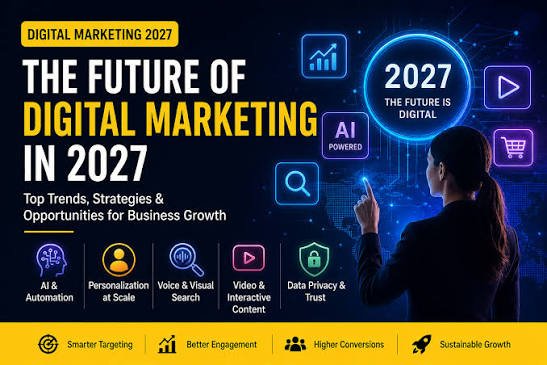
The future of advertising is likely to become increasingly connected to technology, data, automation, artificial intelligence, video, and personalized customer experiences.
Businesses will continue experimenting with new formats and channels while adapting to changes in consumer behavior, privacy expectations, and platform policies.
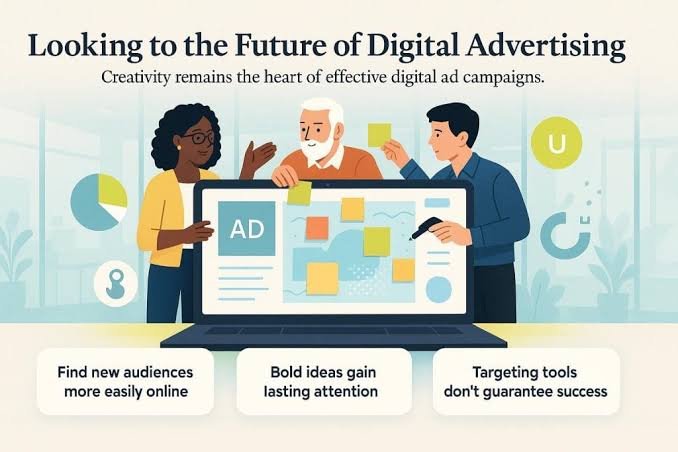
Successful advertising will not simply depend on spending more money. Creating useful content, understanding audiences, measuring results, and building trust will remain important.
Final Thoughts
Digital platforms are reshaping modern advertising by changing how businesses reach audiences, create campaigns, measure performance, and communicate with customers.
Social media, search engines, video platforms, mobile devices, analytics, and creator marketing have created a more connected advertising environment. Businesses of different sizes can now use digital channels to reach potential customers and evaluate campaign performance.
As technology continues to evolve, digital advertising will also continue to change. Businesses that focus on relevant content, responsible data use, audience needs, and measurable marketing strategies can adapt more effectively to the modern advertising landscape.
Frequently Asked Questions
How are digital platforms changing advertising?
Digital platforms are making advertising more targeted, measurable, interactive, and flexible. Businesses can reach specific audiences and track campaign performance through digital tools.
What are examples of digital advertising platforms?
Examples include search engines, social media platforms, video platforms, display advertising networks, mobile applications, and e-commerce platforms.
Why is digital advertising important for businesses?
Digital advertising can help businesses reach online audiences, promote products and services, generate website traffic, and measure campaign performance.
How does social media affect modern advertising?
Social media allows brands to combine advertising with content and direct audience engagement through formats such as videos, stories, posts, and live content.
What is the future of digital advertising?
The digital advertising industry is expected to continue evolving through technologies such as artificial intelligence, automation, video, analytics, personalization, and new digital experiences.