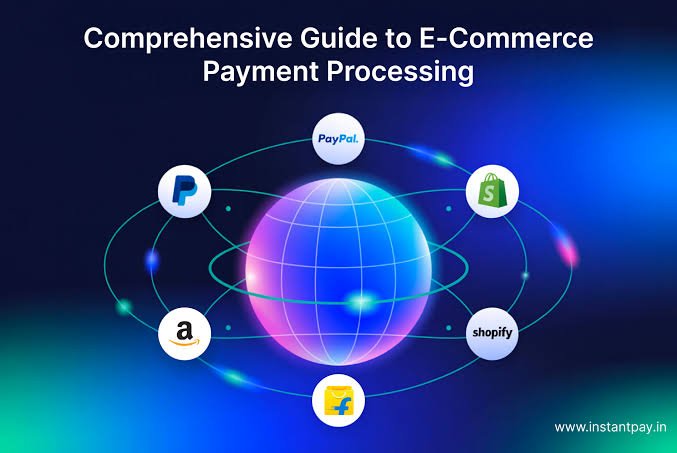
The Role of Digital Platforms in E-Commerce Success

The Role of Digital Platforms in E-Commerce Success
E-commerce has transformed the way businesses sell products and customers shop. Today, consumers can discover products, compare prices, place orders, and make payments online within minutes. Behind this growing digital marketplace are powerful digital platforms for e-commerce that help businesses manage their online stores, marketing, payments, customer relationships, and operations.
For both small businesses and large companies, choosing the right digital platform can have a major impact on online growth. A well-designed digital platform can improve customer experience, increase sales opportunities, simplify business operations, and help brands compete in an increasingly digital marketplace.
What Are Digital Platforms in E-Commerce?
Digital platforms in e-commerce are online systems that allow businesses to sell products or services and manage different parts of their online operations.
These platforms can provide features such as:
- Online storefronts
- Product catalogs
- Shopping carts
- Online payments
- Order management
- Customer support
- Marketing tools
- Sales analytics
- Inventory management
Instead of building every feature from scratch, businesses can use established digital platforms to create and manage their online stores more efficiently.
Why Digital Platforms Are Important for E-Commerce
The growth of online shopping has made digital technology essential for modern businesses. Customers expect websites and online stores to be convenient, fast, secure, and easy to use.
Digital platforms help businesses meet these expectations while providing tools to manage their operations.
1. Creating an Online Store
One of the most important roles of digital platforms is helping businesses establish an online store.
E-commerce platforms can provide ready-made features for creating product pages, organizing categories, managing shopping carts, and processing orders.
A professional online store should make it easy for customers to:
- Find products
- Read product information
- View images
- Compare options
- Add products to a cart
- Complete purchases
A simple and user-friendly shopping experience can help reduce friction during the buying process.
2. Improving Customer Experience
Customer experience is a major factor in e-commerce success. Digital platforms allow businesses to create convenient shopping experiences across computers, smartphones, and other devices.
Features such as personalized recommendations, search functions, product filters, customer reviews, and quick checkout can make online shopping easier.
Mobile optimization is especially important because many consumers browse and shop using smartphones.
3. Supporting Online Payments
Secure payment processing is another essential part of e-commerce. Digital platforms can integrate different payment methods, allowing customers to choose options that are convenient for them.
Depending on the market, businesses may offer:
- Credit and debit cards
- Digital wallets
- Bank transfers
- Online payment services
- Cash-on-delivery options
Providing reliable payment options can make the checkout process more convenient and accessible.
4. Helping Businesses Reach More Customers
Digital platforms are not limited to online stores. They also connect e-commerce businesses with digital marketing channels.
Businesses can use search engine optimization, social media, email marketing, paid advertising, and content marketing to attract potential customers.
For example, a business can publish useful content to attract search traffic and then direct visitors to relevant product pages.
This creates a digital journey from discovery to purchase.
5. Improving E-Commerce Marketing
Modern digital platforms provide businesses with various marketing opportunities.
Businesses can create campaigns based on customer interests, previous purchases, browsing behavior, and other available data.
Common e-commerce marketing strategies include:
- Search engine optimization
- Social media marketing
- Email campaigns
- Content marketing
- Retargeting
- Influencer marketing
- Promotional campaigns
Combining these strategies can help businesses build brand awareness and attract potential buyers.
6. Using Data and Analytics
Data is one of the most valuable resources available to e-commerce businesses.
Analytics tools can provide information about:
- Website visitors
- Popular products
- Customer behavior
- Conversion rates
- Sales performance
- Traffic sources
- Shopping cart activity
Businesses can use this information to understand customer behavior and identify areas for improvement.
For example, if many customers visit a product page but few complete a purchase, the business can investigate whether pricing, product information, shipping costs, or the checkout process may be creating barriers.
7. Managing Inventory and Orders
E-commerce businesses need efficient systems to manage products and orders. Digital platforms can help businesses monitor inventory levels, process orders, update product availability, and organize shipping information.
Better inventory management can help reduce problems such as:
- Overselling products
- Stock shortages
- Order delays
- Incorrect inventory records
As an e-commerce business grows, automated inventory and order management can save significant time.
8. Strengthening Customer Relationships
Building long-term customer relationships is important for sustainable e-commerce growth.
Customer relationship management tools can help businesses organize customer information and track interactions.
Businesses can use these systems to:
- Follow up with customers
- Send personalized offers
- Provide customer support
- Manage complaints
- Encourage repeat purchases
Good customer communication can help businesses build trust and maintain long-term relationships.
How Digital Platforms Support E-Commerce Growth
Digital platforms can support e-commerce growth in several ways. They allow businesses to expand their product catalogs, reach new markets, introduce new marketing channels, and automate repetitive processes.
A small business can start with a simple online store and gradually add more features as demand increases.
This scalability is particularly valuable for growing businesses because they can expand their digital operations without completely rebuilding their systems.
The Role of Mobile Commerce
Mobile commerce, or m-commerce, has become an important part of online shopping.
Customers increasingly use smartphones to search for products, compare prices, communicate with businesses, and complete purchases.
For this reason, e-commerce platforms should provide mobile-friendly experiences.
Important mobile e-commerce features include:
- Responsive design
- Simple navigation
- Fast page loading
- Mobile-friendly checkout
- Easy payment options
- Clear product images
A poor mobile experience can make it harder for customers to complete purchases.
Digital Platforms and Social Commerce
Social media platforms are increasingly connected with e-commerce. Businesses can use social channels to showcase products, interact with customers, and direct users toward online purchasing options.
Social commerce can be especially useful for brands that rely heavily on visual content.
Short videos, product demonstrations, customer reviews, and creator partnerships can help businesses introduce products to new audiences.
Artificial Intelligence and the Future of E-Commerce Platforms
Artificial intelligence is becoming an important part of modern e-commerce technology.
AI-powered systems can support businesses with tasks such as:
- Customer service
- Product recommendations
- Search optimization
- Content creation
- Demand forecasting
- Fraud detection
- Data analysis
AI can also help personalize online shopping experiences by using available customer and product data.
However, businesses should use AI responsibly and maintain appropriate privacy and security practices when handling customer information.
Challenges of Using Digital Platforms in E-Commerce
Although digital platforms offer many advantages, businesses also need to manage certain challenges.
Security and Privacy
E-commerce businesses handle customer information and payment-related data. Protecting this information is essential for maintaining customer trust.
Platform Costs
Some platforms charge subscription fees, transaction fees, or additional charges for advanced features. Businesses should understand the total cost before choosing a platform.
Technical Issues
Website downtime, payment problems, software errors, or integration failures can affect the customer experience.
Competition
Digital platforms make it easier for businesses to enter online markets. As a result, e-commerce companies may face significant competition from businesses around the world.
How to Choose the Right E-Commerce Digital Platform
Businesses should consider several factors before selecting an e-commerce platform.
Business Size
A small business may need simple and affordable features, while a larger company may require advanced customization and integrations.
Scalability
Choose a platform that can support future growth in products, customers, traffic, and sales.
Payment Support
Make sure the platform supports payment methods that are commonly used by your target customers.
Security
Security features should be a major consideration when selecting an e-commerce platform.
Integrations
The platform should work well with other business tools such as accounting software, marketing systems, analytics platforms, and shipping services.
Ease of Use
A platform should be manageable for the business team without unnecessary technical complexity.
Best Practices for E-Commerce Success
Businesses can get more value from digital platforms by following several best practices:
- Keep the online store easy to navigate.
- Optimize product pages for search engines.
- Use high-quality product images.
- Provide clear product descriptions.
- Offer secure and convenient payment options.
- Optimize the website for mobile devices.
- Monitor customer behavior and sales data.
- Provide responsive customer support.
- Regularly test the checkout process.
- Keep software and security systems updated.
Conclusion
Digital platforms play a central role in modern e-commerce success. They provide businesses with the technology needed to create online stores, manage products, process payments, market products, analyze customer behavior, and build stronger customer relationships.
As online shopping continues to evolve, businesses that use digital platforms effectively can create more convenient customer experiences and develop more efficient operations.
The key is not simply choosing a popular platform. Businesses should select technology based on their specific goals, target customers, budget, security requirements, and future growth plans.
With the right combination of e-commerce digital platforms, marketing strategies, analytics, and customer-focused experiences, businesses can build a strong foundation for long-term online growth.
Frequently Asked Questions
What is the role of digital platforms in e-commerce?
Digital platforms help businesses create online stores, manage products and orders, process payments, market products, analyze data, and communicate with customers.
Why are digital platforms important for online businesses?
They can simplify business operations, improve customer experience, expand market reach, and provide tools for managing and analyzing e-commerce activities.
How do digital platforms improve customer experience?
They can provide features such as easy navigation, product search, mobile optimization, personalized recommendations, convenient payments, and customer support.
Can small businesses use e-commerce digital platforms?
Yes. Many platforms offer scalable solutions that allow small businesses to start with basic features and expand their digital operations as the business grows.
How does SEO help e-commerce businesses?
E-commerce SEO can help product and category pages appear in relevant search results, potentially bringing more qualified visitors to an online store.
What should businesses consider when choosing an e-commerce platform?
Important factors include cost