How to Monetize Your Presence on Digital Platforms

How to Monetize Your Presence on Digital Platforms
Digital platforms have created new opportunities for individuals, creators, entrepreneurs, and businesses to build an audience and generate income online. Whether you create videos, write articles, sell products, offer services, or build an online community, your digital presence can become a valuable business asset.
However, simply having followers or posting content does not automatically generate revenue. Successful digital platform monetization requires a clear strategy, valuable content, a defined audience, and the right monetization methods.
In this guide, we will explore practical ways to monetize your presence on digital platforms, build sustainable online income streams, and turn your digital audience into long-term opportunities.
What Does Digital Platform Monetization Mean?
Digital platform monetization means generating revenue from your online presence, content, audience, products, or services.
Depending on the platform and type of content, creators and businesses may earn money through:
- Advertising
- Sponsorships
- Affiliate marketing
- Digital products
- Physical products
- Memberships
- Subscriptions
- Online services
- Brand partnerships
- Creator programs
The best monetization strategy depends on your audience, niche, platform, and goals.
Why Your Digital Presence Matters
Your digital presence includes the platforms where people can discover and interact with you online. This can include social media profiles, websites, blogs, video channels, online communities, and professional profiles.
A strong digital presence can help you:
- Build credibility
- Reach a larger audience
- Develop a personal or business brand
- Generate leads
- Promote products and services
- Build customer relationships
- Create multiple revenue opportunities
The larger your audience becomes, the more opportunities you may have to monetize your digital presence. However, audience quality and engagement can be just as important as follower numbers.
1. Monetize Through Advertising
Advertising is one of the most common ways creators and publishers generate income online.
Video creators, website owners, and other digital publishers may earn revenue by displaying advertisements to their audiences.
Advertising revenue can depend on factors such as:
- Number of views
- Audience location
- Content category
- Engagement
- Advertiser demand
- Platform policies
For creators, advertising can become a useful income stream once they meet the requirements of a particular platform’s monetization program.
How to Improve Advertising Revenue
Instead of focusing only on views, creators should focus on producing useful and engaging content for a specific audience.
High-quality content can encourage viewers to return, spend more time on the platform, and interact with future posts.
2. Use Affiliate Marketing
Affiliate marketing allows you to earn a commission by promoting products or services from other businesses.
The basic process is simple:
- Choose a relevant product or service.
- Join an appropriate affiliate program.
- Receive a unique affiliate link.
- Recommend the product to your audience.
- Earn a commission when eligible purchases or actions occur through your link.
Affiliate marketing works particularly well for content creators who regularly provide reviews, tutorials, comparisons, or recommendations.
For example, a technology creator could discuss useful software or accessories and provide relevant affiliate links.
The key is to promote products that are genuinely relevant to your audience and clearly disclose affiliate relationships when required.
3. Build Brand Partnerships
Businesses often collaborate with creators who have an audience that matches their target customers.
Brand partnerships can include:
- Sponsored videos
- Sponsored social media posts
- Product demonstrations
- Reviews
- Brand campaigns
- Event promotions
Creators should consider whether a partnership fits their content and audience before accepting it.
A strong and relevant partnership can provide value to both the creator and the brand.
4. Sell Digital Products
Digital products can be an effective way to monetize knowledge and skills.
Examples include:
- E-books
- Templates
- Guides
- Online courses
- Design resources
- Digital planners
- Educational materials
- Presets and creative resources
One advantage of digital products is that they can often be created once and sold repeatedly, although they may require updates, customer support, and marketing.
5. Offer Online Services
You do not always need a large audience to make money online. If you have a valuable skill, you can use your digital presence to attract clients.
Examples of online services include:
- Graphic design
- Video editing
- Website development
- Writing
- Social media management
- Digital marketing
- Consulting
- Photography services
- Virtual assistance
Your website or social media profile can function as a portfolio that demonstrates your skills and helps potential customers understand what you offer.
6. Sell Physical Products
Digital platforms can also help businesses sell physical products directly to customers.
Social media, websites, marketplaces, and e-commerce platforms can be used to promote products and guide customers through the buying process.
Successful online product businesses generally focus on:
- Product quality
- Clear descriptions
- Good product images
- Reliable customer support
- Secure payments
- Delivery and return policies
Building trust is particularly important when customers are buying from a new online business.
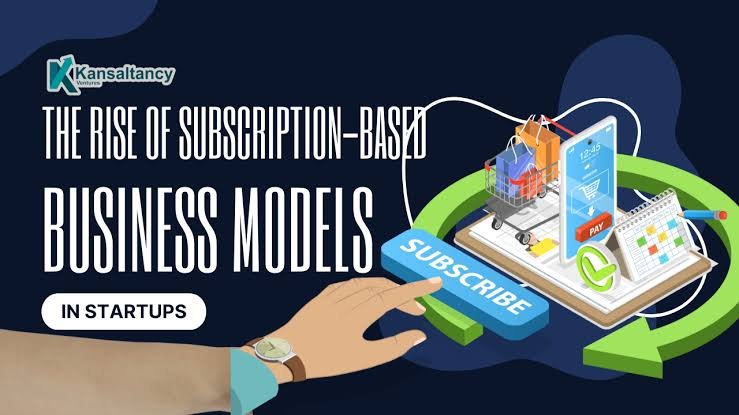
7. Create Memberships and Subscriptions
Some platforms allow creators to provide exclusive content to paying members or subscribers.
Possible membership benefits include:
- Exclusive videos
- Private communities
- Behind-the-scenes content
- Educational resources
- Special updates
- Early access
- Member-only events
Subscription-based monetization can provide recurring revenue, but creators need to consistently provide value to encourage subscribers to remain members.
8. Use Crowdfunding and Audience Support
Some creators allow their audiences to financially support their work through donations, memberships, or crowdfunding.
This model can be useful for creators who produce educational, entertainment, artistic, or community-focused content.
Transparency is important when asking audiences for financial support. Clearly explain what the support helps you create or provide.
9. Monetize Through Online Courses
If you have expertise in a particular subject, an online course can turn your knowledge into a structured learning product.
A successful course should provide:
- Clear learning objectives
- Well-organized lessons
- Practical examples
- Useful resources
- Easy-to-follow instructions
Your existing digital audience can help you identify topics people are interested in learning.
10. Build a Personal Brand
A strong personal brand can create monetization opportunities beyond a single platform.
Instead of depending entirely on one social media account, build a presence across multiple channels where appropriate.
For example, you might combine:
- A personal website
- Social media
- Email communication
- Video content
- Educational content
- Professional networking
A recognizable personal brand can help people understand who you are, what you offer, and why they should follow your work.
Choosing the Right Monetization Strategy
Not every monetization method works for every creator or business.
Consider the following factors before choosing a strategy.
Understand Your Audience
Learn about your audience’s interests, problems, preferences, and purchasing behavior.
Consider Your Niche
Some niches naturally work better with specific monetization methods. For example, educational content may be suitable for courses, while product-focused content may work well with affiliate marketing.
Focus on Value
Content should provide useful information, entertainment, education, or another meaningful benefit. Monetization works better when the audience trusts the creator.
Diversify Revenue
Relying entirely on one platform or income source can create risk. Where practical, develop multiple legitimate revenue streams.
How to Grow Before Monetizing
Many beginners focus on making money before building a strong audience.
A better approach is to first create useful and consistent content.
Focus on:
- Choosing a clear niche.
- Understanding your target audience.
- Creating valuable content.
- Posting consistently.
- Improving content quality.
- Engaging with your audience.
- Tracking performance.
- Building trust.
Once you understand what your audience responds to, you can introduce relevant monetization methods.
Common Mistakes in Digital Platform Monetization
Focusing Only on Followers
A large follower count does not automatically guarantee revenue. Engagement, audience relevance, trust, and content quality can also matter.
Promoting Too Many Products
Constantly promoting products can make your content feel like advertising. Maintain a balance between valuable content and promotional material.
Ignoring Platform Rules
Each digital platform has its own monetization policies, advertising requirements, and community guidelines. Always review the current rules before using a monetization feature.
Depending on One Platform
Platform algorithms, policies, and monetization programs can change. Building an audience through multiple appropriate channels can provide greater flexibility.
Choosing the Wrong Monetization Model
A monetization method should match your audience and content. Forcing an unsuitable model can reduce audience trust.
Measuring Your Monetization Performance
Tracking results helps you understand which strategies are working.
Important metrics can include:
- Revenue
- Conversion rate
- Engagement rate
- Click-through rate
- Website traffic
- Subscriber growth
- Customer retention
- Average order value
Use analytics to identify successful content and understand where improvements are needed.
The Future of Digital Platform Monetization
Digital platform monetization is continuing to evolve. Artificial intelligence, creator tools, social commerce, subscriptions, digital products, and personalized advertising are changing how people earn money online.
Creators are also becoming more independent by building businesses around their audiences instead of relying entirely on advertising revenue.
In the future, successful digital businesses may combine content, community, products, services, and technology into a single ecosystem.
Conclusion
Learning how to monetize your presence on digital platforms requires more than simply gaining followers. Sustainable monetization comes from building trust, providing valuable content, understanding your audience, and choosing revenue models that fit your niche.
Advertising, affiliate marketing, sponsorships, digital products, services, subscriptions, memberships, and e-commerce can all provide potential revenue opportunities.
The most important step is to build a strong foundation first. Focus on your audience, create consistent value, follow platform rules, and gradually introduce monetization methods that genuinely benefit your followers.
With a thoughtful strategy and consistent effort, your digital presence can become more than a place to publish content—it can become a foundation for a sustainable online business.
Frequently Asked Questions
How can I monetize my presence on digital platforms?
You can explore advertising, affiliate marketing, sponsorships, digital products, online services, memberships, subscriptions, e-commerce, and other platform-specific monetization options.
Do I need millions of followers to make money online?
No. A smaller but engaged and relevant audience can sometimes provide meaningful monetization opportunities, depending on the niche and business model.
What is the easiest way to start digital platform monetization?
Start by creating valuable content for a specific audience. Once you understand your audience and build trust, choose a monetization method that fits your content and skills.
Is affiliate marketing a good way to monetize an online audience?
Affiliate marketing can be useful when the products or services are relevant to your audience and you provide honest, useful recommendations.
Can I make money by selling digital products?
Yes. Digital products such as guides, templates, courses, and other downloadable resources can be sold through suitable online platforms.
Should I use multiple monetization methods?
Diversifying income sources can reduce dependence on a single platform or revenue stream, provided each method is relevant to your audience and manageable for your business.
SEO Information
Primary Keyword: How to Monetize Your Presence on Digital Platforms
Secondary Keywords:
- Digital platform monetization
- How to make money online
- Monetize social media
- Online income streams
- Digital creator monetization
- Make money from digital platforms
- Social media monetization
- Online business monetization
- Monetization strategies
SEO Title: How to Monetize Your Presence on Digital Platforms
Meta Description: Learn how to monetize your presence on digital platforms using advertising, affiliate marketing, sponsorships, digital products, services, memberships, and more.
Suggested URL Slug:how-to-monetize-digital-platforms
Suggested Tags:
Digital Platforms, Monetization, Online Business, Social Media, Digital Marketing, Affiliate Marketing, Content Creators, Online Income