How Digital Platforms Are Driving the Creator Economy
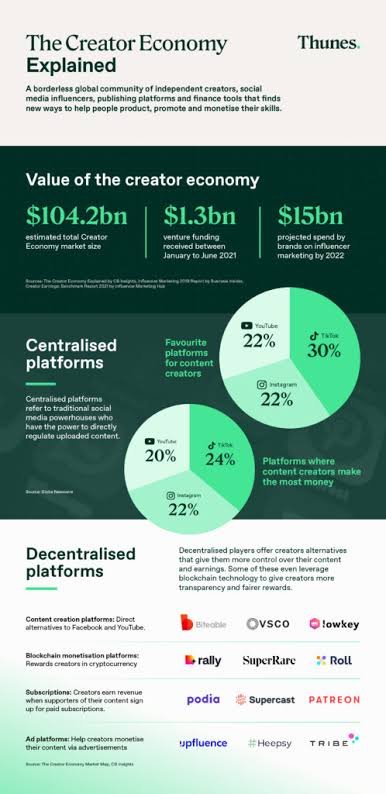
How Digital Platforms Are Driving the Creator Economy
The rise of digital platforms has transformed the way people create, share, and earn from content. From social media networks and video platforms to blogging websites, podcasting services, online communities, and digital marketplaces, creators now have more opportunities than ever to build audiences and turn their skills into income.
This transformation has helped create what is commonly known as the creator economy. Instead of relying entirely on traditional employers, media companies, or publishers, individuals can use digital platforms to develop personal brands, connect directly with audiences, promote products, and build independent businesses.
The creator economy continues to expand as technology makes content creation easier and digital platforms provide tools for publishing, audience engagement, analytics, and monetization. In this article, we explore how digital platforms are driving the creator economy, the opportunities they provide, the challenges creators face, and what the future may look like.
What Is the Creator Economy?
The creator economy refers to an ecosystem in which individuals create content, build audiences, and generate income through digital channels.
Creators can include:
- Video creators
- Bloggers
- Podcasters
- Social media influencers
- Photographers
- Graphic designers
- Musicians
- Online educators
- Streamers
- Writers
- Digital artists
- Course creators
- Freelancers
Instead of depending on traditional media companies to distribute their work, creators can publish content directly to their audiences through digital platforms.
For example, a creator can produce educational videos, build a following, offer digital products, work with brands, or generate revenue through platform-based monetization.
This accessibility has made content creation a potential business model for people with different skills, backgrounds, and interests.
How Digital Platforms Are Powering the Creator Economy
Digital platforms provide the infrastructure creators need to turn ideas into content and audiences into communities.
Several important developments are driving this transformation.
1. Easy Access to Global Audiences
One of the biggest advantages of digital platforms is the ability to reach audiences beyond geographical boundaries.
A creator can publish a video, article, podcast, or social media post and potentially reach viewers from different countries. This creates opportunities that were previously difficult for individual creators to access.
For example, a small creator with a specialized interest can build an audience around a specific topic without needing traditional media distribution.
Global reach also allows creators to target niche communities that may be too small for traditional media businesses but large enough to support an independent creator.
2. Lower Barriers to Content Creation
Creating professional content once required expensive equipment, studios, publishers, or production teams.
Today, smartphones, affordable software, editing applications, microphones, cameras, and cloud-based tools have significantly reduced many of these barriers.
A creator can often:
- Record content using a smartphone.
- Edit it with accessible software.
- Publish it through a digital platform.
- Analyze audience performance.
- Improve future content based on the results.
This simple workflow makes content creation more accessible to beginners.
3. Direct Connection Between Creators and Audiences
Traditional media often creates distance between creators and audiences. Digital platforms allow creators to communicate directly with their followers.
Comments, direct messages, live streams, community posts, newsletters, and other engagement features can help creators understand what their audiences want.
This direct relationship is valuable because creators can receive immediate feedback and adapt their content accordingly.
Over time, this can help transform casual viewers into loyal communities.
Digital Platforms and Creator Monetization
One of the most important factors behind the growth of the creator economy is monetization.
Creators can use several different revenue models rather than relying on a single income source.
Advertising Revenue
Some digital platforms allow eligible creators to earn money from advertising associated with their content.
Revenue models can vary depending on the platform, audience, content type, location, and eligibility requirements.
Advertising can provide creators with a way to monetize large audiences while continuing to offer content to viewers.
Brand Partnerships
Businesses increasingly collaborate with creators to reach specific audiences.
Creators with engaged communities may work with brands through:
- Sponsored content
- Product promotions
- Campaigns
- Reviews
- Affiliate marketing
- Brand collaborations
For brands, creators can provide access to audiences that may be highly interested in specific products or services.
Subscriptions and Memberships
Some digital platforms allow creators to offer paid subscriptions or memberships.
Depending on the platform, subscribers may receive benefits such as:
- Exclusive content
- Private communities
- Additional videos
- Special updates
- Behind-the-scenes material
- Members-only interactions
This model can provide creators with recurring revenue and strengthen relationships with their most engaged followers.
Digital Products
Creators are also turning their knowledge and skills into digital products.
Examples include:
- E-books
- Online courses
- Templates
- Design assets
- Educational resources
- Presets
- Digital guides
- Downloadable tools
Digital products can be particularly attractive because creators can develop an asset once and potentially sell it repeatedly.
Affiliate Marketing
Affiliate marketing allows creators to recommend products or services and potentially receive a commission when users make qualifying purchases through their affiliate links.
This model can work particularly well for creators who produce tutorials, reviews, educational content, or product-focused content.
The Role of Social Media Platforms
Social media platforms are at the center of the creator economy because they combine content publishing, audience discovery, engagement, and monetization opportunities.
Platforms focused on short-form video, long-form video, photography, professional networking, and community interaction each provide different environments for creators.
Their recommendation and discovery systems can also help creators reach people who do not already follow them.
This means a creator’s growth is not always limited to their existing audience.
However, creators also need to understand that platform algorithms can change. Content that performs well at one point may require a different strategy as audience behavior and platform features evolve.
The Importance of Niche Content
Digital platforms have made niche content more valuable.
In traditional media, content often needed to appeal to large audiences to be commercially successful. Digital platforms can support smaller communities with specific interests.
Examples of creator niches include:
- Fitness education
- Technology tutorials
- Gaming
- Cooking
- Travel
- Personal finance education
- Fashion
- Photography
- Comedy
- Education
- DIY projects
- Business advice
A creator does not necessarily need millions of followers to build a meaningful business. A smaller but highly engaged audience can sometimes be valuable because of its relevance and trust.
How Algorithms Help Creators Discover Audiences
Recommendation algorithms play an important role in modern digital platforms.
These systems may analyze signals such as:
- Viewer engagement
- Watch time
- Clicks
- Shares
- Comments
- Search behavior
- User interests
- Content relevance
The exact systems differ between platforms and can change over time.
For creators, this means understanding audience behavior is often just as important as producing content.
Creators can use analytics to identify which topics, formats, titles, thumbnails, or publishing approaches are generating stronger audience responses.
Data and Analytics for Creators
Digital platforms provide creators with access to information that can help them make better decisions.
Depending on the platform, analytics may provide insights into:
- Audience demographics
- Views
- Engagement
- Watch time
- Traffic sources
- Follower growth
- Content performance
- Audience retention
These insights can help creators move from guesswork toward a more structured content strategy.
For example, if analytics show that viewers consistently engage with educational videos about a specific topic, a creator may decide to produce more content in that category.
The Growth of the Creator as a Business
The creator economy is changing the traditional definition of a small business.
A creator may start with a single social media account and gradually develop:
Content → Audience → Community → Products → Brand → Business
A successful creator may eventually operate multiple revenue streams, hire editors or assistants, develop products, collaborate with other creators, or establish a formal company.
This means content creation can evolve from a hobby into a broader digital business.
How Creators Can Build a Sustainable Digital Business
Building an audience is only one part of becoming a successful creator. Long-term sustainability requires planning.
Focus on a Clear Topic
Creators should understand what they want to be known for.
A clear topic can make it easier for audiences to understand why they should follow a particular creator.
Create Consistently
Consistency helps creators maintain audience attention and develop a recognizable publishing routine.
Consistency does not necessarily mean publishing constantly. A sustainable schedule is usually more practical than creating content at an unrealistic pace.
Understand the Audience
Creators should pay attention to audience questions, comments, feedback, and analytics.
Understanding audience needs can lead to better content ideas and stronger products.
Diversify Revenue
Depending entirely on one platform can create risks.
Creators may consider developing several income sources, such as:
- Advertising
- Sponsorships
- Affiliate marketing
- Digital products
- Memberships
- Services
- Courses
Diversification can help reduce dependence on a single revenue stream.
Build an Audience Beyond One Platform
Platform accounts can be valuable, but creators should also consider building direct connections with their audiences through channels they control, such as websites or email newsletters.
This can give creators more independence from changes to individual platforms.
Challenges in the Creator Economy
Although digital platforms create many opportunities, the creator economy also comes with challenges.
Algorithm Changes
A change in recommendation systems can affect how many people see content.
Creators may experience changes in reach even when their content strategy remains similar.
Competition
Millions of people now create digital content. As competition increases, creators need to find ways to provide unique value.
Income Uncertainty
Creator income can fluctuate significantly.
Advertising rates, sponsorship opportunities, audience behavior, platform policies, and content performance can all affect earnings.
Burnout
Constantly producing content can become demanding.
Creators who feel pressure to publish continuously may struggle to maintain creativity and quality.
Developing realistic schedules and setting boundaries can help create a more sustainable workflow.
Platform Dependence
Building an audience entirely on one platform creates dependency.
If policies, algorithms, monetization rules, or account access change, a creator’s business can be affected.
The Role of AI in the Creator Economy
Artificial intelligence is also changing content creation.
AI-powered tools can help creators with tasks such as:
- Brainstorming ideas
- Writing outlines
- Generating captions
- Editing content
- Transcribing audio
- Organizing information
- Creating visual concepts
- Analyzing content performance
However, creators still need originality, judgment, creativity, and audience understanding.
AI can help accelerate workflows, but strong creator brands usually depend on authentic ideas and meaningful connections with audiences.
The Future of the Creator Economy
The creator economy is likely to continue evolving as digital platforms introduce new tools and business models.
Several trends may shape the future.
More Creator-Owned Businesses
Creators may increasingly build businesses around their audiences instead of relying solely on platform monetization.
Growth of Short-Form and Interactive Content
Short-form video, live content, interactive communities, and other highly engaging formats are likely to remain important parts of digital content strategies.
More Personalized Content
Advances in data and AI may enable creators to deliver more personalized experiences to different audience segments.
Expansion of Digital Products
Creators may continue moving beyond advertising and sponsorships by developing products, services, courses, communities, and other businesses.
Increased Professionalization
As the creator economy grows, content creation is becoming more business-oriented.
Creators may increasingly use project management tools, analytics, financial systems, marketing platforms, and professional teams to manage their operations.
Best Practices for New Creators
For someone starting in the creator economy, the following approach can provide a practical foundation:
- Choose a clear niche or topic.
- Understand the target audience.
- Select the most relevant digital platforms.
- Create useful or entertaining content consistently.
- Study analytics and audience feedback.
- Improve content quality over time.
- Build a recognizable personal brand.
- Experiment with different formats.
- Develop multiple potential revenue streams.
- Avoid depending entirely on one platform.
The most important principle is to focus on creating genuine value rather than simply chasing short-term trends.
Conclusion
Digital platforms are driving the creator economy by making content creation, audience building, and monetization more accessible than ever. Creators can now publish directly to global audiences, build communities around specialized interests, and develop multiple sources of income.
From social media and video platforms to newsletters, digital marketplaces, and online communities, these platforms provide the infrastructure needed to turn creative skills into digital businesses.
At the same time, creators face challenges including competition, algorithm changes, income uncertainty, and platform dependence. Building a sustainable creator business therefore requires more than gaining followers. It requires consistent content, audience understanding, diversification, adaptability, and long-term planning.
As technology continues to evolve, digital platforms will remain an important force shaping how individuals create, communicate, and build businesses online.
Frequently Asked Questions
What is the creator economy?
The creator economy is an ecosystem where individuals create content, build audiences, and generate income through digital platforms and online businesses.
How do digital platforms help creators make money?
Creators can potentially earn through advertising, sponsorships, subscriptions, affiliate marketing, digital products, services, memberships, and other monetization methods.
Do creators need millions of followers to make money?
No. A large audience can provide opportunities, but a smaller and highly engaged audience can also support certain creator businesses, particularly when the creator offers relevant products, services, or specialized content.
What are the biggest challenges for creators?
Common challenges include competition, changing algorithms, inconsistent income, burnout, changing platform policies, and dependence on individual platforms.
How can creators build a sustainable business?
Creators can focus on a clear niche, publish consistently, understand their audience, diversify income sources, build a recognizable brand, and develop connections beyond a single platform.
Is AI changing the creator economy?
Yes. AI tools can assist creators with tasks such as brainstorming, editing, transcription, research organization, and content workflows. Creators still need originality, judgment, and audience understanding to produce valuable content.
SEO Information
Primary Keyword:
How digital platforms are driving the creator economy
Secondary Keywords:
- Creator economy
- Digital