Digital Platforms for Startups: Tools You Need to Succeed

Digital Platforms for Startups: Tools You Need to Succeed
Starting a new business has become easier in many ways because entrepreneurs now have access to powerful digital platforms and online tools. From building a website and managing social media to communicating with customers and tracking business performance, digital platforms can help startups operate more efficiently and compete in a crowded market.
For startups with limited budgets and small teams, choosing the right digital platforms for startups can make a significant difference. The right tools can save time, improve productivity, strengthen customer relationships, and support long-term business growth.
What Are Digital Platforms for Startups?
Digital platforms are online tools and services that help businesses perform different tasks through the internet. Startups can use these platforms for marketing, communication, project management, accounting, customer support, sales, analytics, and other business activities.
Instead of investing heavily in expensive infrastructure, startups can use affordable digital solutions that can grow as their business grows.
Why Startups Need Digital Platforms
Startups often face challenges such as limited budgets, small teams, and strong competition. Digital platforms can help solve many of these challenges.
1. Reduce Business Costs
Cloud-based tools can reduce the need for expensive hardware and traditional business systems. Many platforms offer free plans or affordable subscriptions, making them suitable for new businesses.
2. Improve Productivity
Project management and collaboration tools allow startup teams to organize tasks, set deadlines, and communicate efficiently. This helps employees focus on important business activities instead of wasting time on manual processes.
3. Reach More Customers
Digital marketing platforms allow startups to promote their products and services to a much larger audience. Social media, search engines, email marketing, and content marketing can all help attract potential customers.
4. Support Remote Work
Many startups operate with remote or hybrid teams. Cloud-based platforms allow employees to communicate, share files, attend meetings, and manage projects from different locations.
5. Make Data-Driven Decisions
Analytics platforms provide valuable information about website visitors, customer behavior, sales, and marketing campaigns. Startups can use this data to understand what is working and where improvements are needed.
Essential Digital Platforms and Tools for Startups
There are many digital tools available today, but startups should focus on platforms that solve their most important business problems.
1. Website and E-Commerce Platforms
A professional website is often the first online touchpoint between a startup and its customers. Website platforms make it easier to create an online presence without requiring advanced coding skills.
For startups selling products online, e-commerce platforms can provide features such as product management, online payments, inventory tracking, and order management.
A strong website should be:
- Mobile-friendly
- Fast-loading
- Easy to navigate
- Secure
- Optimized for search engines
- Clear about products or services
2. Social Media Platforms
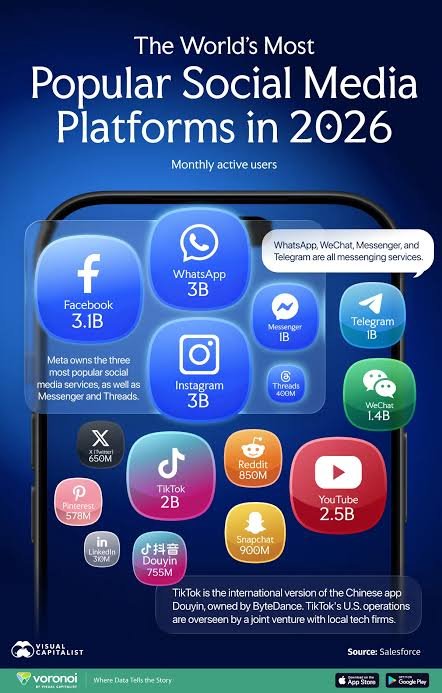
Social media is one of the most accessible digital marketing channels for startups. Platforms such as Facebook, Instagram, TikTok, LinkedIn, and YouTube can help businesses build brand awareness and communicate directly with their audiences.
Startups can use social media to:
- Promote products and services
- Share educational content
- Build a community
- Respond to customers
- Generate leads
- Increase brand visibility
The key is to choose platforms where the target audience is most active rather than trying to maintain every social media account.
3. Project Management Tools
Managing multiple tasks can become difficult as a startup grows. Project management platforms help teams organize projects, assign responsibilities, and track progress.
Useful features include:
- Task management
- Deadlines
- Team collaboration
- Project tracking
- File sharing
- Notifications
These tools can make startup operations more organized and transparent.
4. Communication and Collaboration Platforms
Effective communication is essential for startup teams. Digital communication platforms can help employees communicate through instant messages, video meetings, emails, and shared documents.
These tools are especially useful for remote teams because employees can stay connected without being in the same physical office.
5. Customer Relationship Management Platforms
Customer Relationship Management, commonly known as CRM, helps startups manage interactions with current and potential customers.
A CRM platform can help businesses:
- Store customer information
- Track leads
- Manage sales pipelines
- Follow up with customers
- Monitor customer interactions
- Improve customer service
A good CRM system becomes increasingly valuable as the number of customers and leads grows.
6. Email Marketing Platforms
Email marketing remains an important digital marketing strategy for startups. Businesses can use email platforms to send newsletters, product updates, promotional messages, and useful content.
Startups can also automate certain email campaigns, such as welcome emails and customer follow-ups.
7. Accounting and Financial Management Tools
Financial management is critical for startup success. Accounting platforms can help businesses track income, expenses, invoices, payments, and other financial information.
Keeping accurate financial records allows startup owners to understand their cash flow and make better business decisions.
8. Analytics Platforms
Analytics tools help startups understand how people interact with their websites, applications, and marketing campaigns.
Important metrics may include:
- Website traffic
- Conversion rates
- Customer acquisition
- User engagement
- Sales performance
- Marketing results
By analyzing these metrics, startups can identify opportunities and improve their strategies.
How to Choose the Right Digital Platforms for Your Startup
With so many options available, choosing the right tools can be challenging. Startups should evaluate platforms based on their actual business requirements.
Consider Your Budget
Start with tools that provide essential features at a reasonable cost. Avoid paying for advanced features that your startup does not currently need.
Look for Scalability
Choose platforms that can support your business as it grows. Switching systems later can be expensive and time-consuming.
Check Ease of Use
A complicated platform can reduce productivity. Select tools that your team can learn and use without extensive technical training.
Consider Integration
Your digital tools should work well together. Integrating marketing, sales, customer management, accounting, and analytics platforms can reduce repetitive work.
Review Security
Business data and customer information should be protected. Before choosing a platform, review its security features, privacy policies, and access controls.
Benefits of Using Multiple Digital Platforms Together
The real value of digital tools often comes from using them as part of a connected business system.
For example, a startup might use a website to attract visitors, analytics to understand their behavior, a CRM to manage leads, email marketing to maintain communication, and accounting software to manage payments.
When these systems work together, startups can create a more efficient digital workflow.
Common Mistakes Startups Should Avoid
While digital platforms can provide many benefits, startups should avoid using too many tools at once.
Some common mistakes include:
- Choosing tools without identifying business needs
- Paying for unnecessary features
- Ignoring data security
- Using too many disconnected platforms
- Failing to train team members
- Not reviewing software performance
- Ignoring customer feedback
The goal should not be to use the largest number of digital tools. Instead, startups should build a simple technology system that supports their business objectives.
The Future of Digital Platforms for Startups
Digital technology continues to evolve, and startups are gaining access to increasingly powerful tools. Artificial intelligence, automation, cloud computing, data analytics, and digital payments are changing how new businesses operate.
AI-powered tools, for example, can help startups with content creation, customer support, data analysis, and workflow automation. As these technologies become more accessible, small businesses may be able to perform tasks that previously required larger teams.
The startups that adapt to these changes while maintaining a clear focus on customer needs can build more efficient and flexible operations.
Conclusion
Digital platforms have become an important part of modern startup operations. From websites and social media to CRM, project management, accounting, and analytics tools, startups can use digital technology to reduce costs, improve productivity, reach customers, and support business growth.
The best approach is to choose platforms based on specific business needs rather than simply following technology trends. Start small, measure results, and gradually add tools as the business grows.
With the right digital platforms for startups, entrepreneurs can create a strong digital foundation and focus more of their time and resources on building a successful business.
Frequently Asked Questions
What are the best digital platforms for startups?
The right platforms depend on the startup’s needs. Common categories include website builders, e-commerce platforms, CRM systems, project management tools, accounting software, email marketing platforms, and analytics tools.
Why are digital platforms important for startups?
Digital platforms can help startups reduce costs, automate tasks, improve productivity, reach customers, and make data-driven business decisions.
How can startups choose the right digital tools?
Startups should consider their budget, business requirements, scalability, ease of use, integrations, and security before selecting a digital platform.
Can small startups use digital platforms with a limited budget?
Yes. Many digital platforms offer free plans, affordable subscriptions, or flexible pricing options that can be suitable for early-stage businesses.
How can digital platforms help startup growth?
Digital platforms can support growth by improving marketing, customer management, communication, sales processes, productivity, and business analytics.
SEO Information
Primary Keyword: Digital Platforms for Startups
Secondary Keywords:
- Startup digital tools
- Best digital platforms for startups
- Digital tools for new businesses
- Startup technology tools
- Online platforms for startups
- Business tools for startups
- Digital solutions for small businesses
SEO Title: Digital Platforms for Startups: Tools You Need to Succeed
Meta Description: Discover the best digital platforms for startups, from websites and CRM to marketing, analytics, accounting, and productivity tools for business growth.
Suggested URL Slug:digital-platforms-for-startups
Suggested Tags:
Digital Platforms, Startups, Startup Tools, Digital Business, Business Technology, Online Platforms, Small Business, Entrepreneurship