The Pros and Cons of Multi-Platform Business Strategies
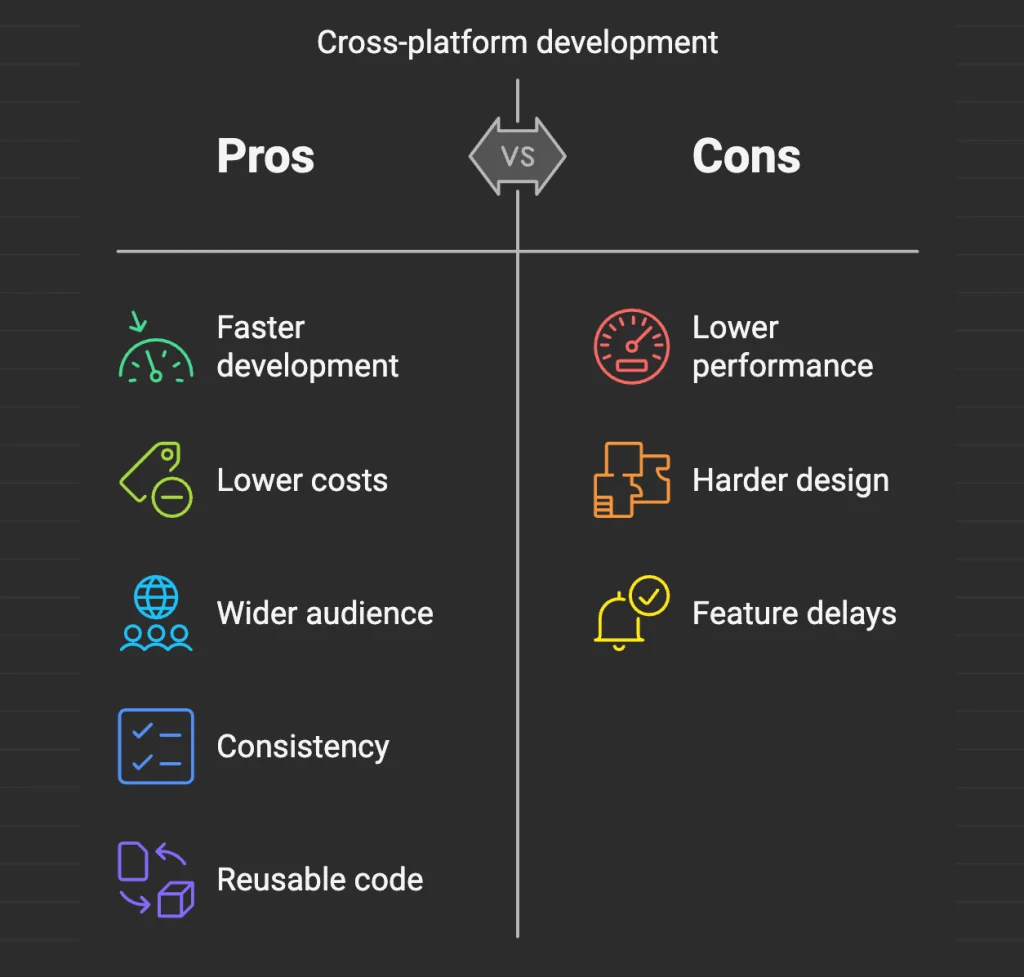
The Pros and Cons of Multi-Platform Business Strategies
Businesses today have more digital opportunities than ever before. A company can sell products through an online store, promote its brand on social media, communicate with customers through messaging platforms, publish content on video platforms, and manage professional relationships through business networks.
This approach is commonly known as a multi-platform business strategy.
Using multiple digital platforms can help businesses reach different audiences, diversify their marketing channels, and create more opportunities for growth. However, managing several platforms at the same time can also increase costs, workload, operational complexity, and the risk of inconsistent branding.
For this reason, businesses should carefully evaluate whether a multi-platform strategy fits their goals and resources.
In this article, we will explore the pros and cons of multi-platform business strategies, how they work, the challenges involved, and practical ways businesses can manage multiple platforms effectively.
What Is a Multi-Platform Business Strategy?
A multi-platform business strategy involves using multiple digital platforms to support different business activities.
A business might use:
- A website for its main online presence
- An e-commerce platform for selling products
- Social media for marketing
- Email for customer communication
- Video platforms for educational content
- Professional networks for business connections
- Messaging platforms for customer support
- Analytics tools for measuring performance
The purpose is not simply to have accounts everywhere. Each platform should serve a specific business purpose.
For example, a company may use one platform to attract customers, another to sell products, and another to provide customer support.
Why Are Businesses Using Multiple Platforms?
Customer behavior is spread across many digital channels.
Some customers discover brands through social media, while others use search engines, websites, online marketplaces, videos, email, or recommendations.
Using multiple platforms can therefore give businesses more opportunities to reach potential customers.
However, every additional platform also requires time, resources, content, and management.
This creates an important question:
Does the additional platform provide enough value to justify the extra effort?
That is one of the most important considerations when developing a multi-platform business strategy.
Pros of Multi-Platform Business Strategies
1. Reach a Wider Audience
One of the biggest advantages of using multiple platforms is the ability to reach different audiences.
Different groups of people may prefer different digital channels.
For example, one audience may primarily use social media, while another may search for products through a website or online marketplace.
Being present on several relevant platforms can increase the number of opportunities for people to discover a business.
2. Diversified Marketing Channels
Relying on a single platform can create risks.
If a platform changes its algorithm, advertising policies, pricing, or features, a business that depends heavily on that platform may be affected.
Using multiple channels can reduce dependence on one source of traffic or customers.
For example, a business could combine:
- Search traffic
- Social media
- Email marketing
- Direct website traffic
- Online marketplaces
- Referral traffic
This creates a more diversified digital presence.
3. More Opportunities for Brand Awareness
Multiple platforms can increase the number of places where customers encounter a brand.
A person might first see a company through a social media post, later watch one of its videos, and eventually visit its website.
Repeated exposure can help customers become more familiar with the business.
However, the content and branding should remain consistent across channels.
4. Different Content Formats
Each digital platform can support different types of content.
Businesses can use:
- Short videos
- Long-form articles
- Images
- Product pages
- Tutorials
- Podcasts
- Newsletters
- Infographics
This allows companies to communicate information in formats that fit different audiences and platforms.
5. Better Customer Access
Customers may prefer different communication methods.
Some may want to send a message, while others prefer email, live chat, or a website support form.
A multi-platform strategy can give customers more ways to interact with a business.
The key is to ensure that customer service remains organized across all channels.
6. More Opportunities to Test Marketing
Using several platforms can provide businesses with more opportunities to test different marketing approaches.
A company can compare:
- Content formats
- Audience responses
- Advertising campaigns
- Engagement levels
- Traffic sources
- Conversion behavior
This information can help businesses understand which channels are useful for their specific goals.
7. Stronger Digital Presence
A business that maintains a consistent presence across relevant platforms can create a more complete online identity.
When customers search for a company, they may find its website, social profiles, professional information, content, and customer resources.
This can make the business easier to discover online.
Cons of Multi-Platform Business Strategies
1. Increased Workload
One of the biggest disadvantages is the additional workload.
Every platform requires some level of management.
Businesses may need to:
- Cr