How to Use Digital Platforms to Build a Personal Brand

How to Use Digital Platforms to Build a Personal Brand
In the modern digital world, building a strong personal brand is no longer limited to celebrities, entrepreneurs, or public figures. Professionals, freelancers, students, creators, consultants, and business owners can all use digital platforms to establish their identity and showcase their expertise.
A personal brand is essentially how people recognize and understand you online. It includes your skills, knowledge, personality, values, experience, content, and the way you communicate with your audience.
Digital platforms make personal branding easier because they allow individuals to publish content, connect with communities, showcase their work, and communicate directly with people around the world.
From social media and professional networking websites to personal websites, blogs, video platforms, and online communities, there are many ways to build a recognizable digital presence.
In this article, we will explore how to use digital platforms to build a personal brand, how to choose the right platforms, what type of content to create, common mistakes to avoid, and practical strategies for developing a consistent online identity.
What Is a Personal Brand?
A personal brand is the public identity associated with an individual.
It can be influenced by:
- Your skills
- Your expertise
- Your interests
- Your communication style
- Your professional experience
- Your content
- Your values
- Your online activities
For example, a graphic designer might build a personal brand around design education and creative work, while a software developer might focus on programming tutorials, projects, and technology discussions.
A strong personal brand helps people understand what you are known for and what you can offer.
Why Digital Platforms Matter for Personal Branding
Digital platforms provide access to audiences that would be difficult to reach through traditional methods.
Instead of waiting for people to discover your work, you can publish useful content and actively participate in online communities.
Digital platforms can help you:
- Increase online visibility
- Demonstrate your expertise
- Build professional relationships
- Share your work
- Attract potential clients
- Create career opportunities
- Develop an audience
- Establish credibility
The key is not to be active everywhere. It is to use the platforms that are most relevant to your goals and audience.
1. Define Your Personal Brand
Before creating content, you should understand what you want your personal brand to represent.
Ask yourself:
- What am I good at?
- What topics do I understand?
- What type of people do I want to reach?
- What problems can I help solve?
- What do I want people to remember about me?
Your answers can help you create a clear direction.
For example, instead of presenting yourself simply as a “freelancer,” you might focus on a specific area such as content writing, graphic design, video editing, digital marketing, or web development.
A clear focus can make your online presence easier to understand.
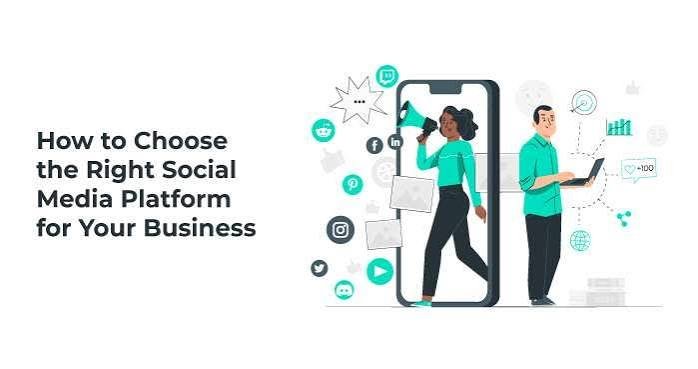
2. Choose the Right Digital Platforms
You do not need to use every social media platform to build a personal brand.
Different platforms serve different purposes.
Professional Networking Platforms
Professional networking platforms can be useful for sharing career experiences, industry knowledge, projects, and professional achievements.
They are particularly useful for:
- Job seekers
- Entrepreneurs
- Freelancers
- Consultants
- Professionals
Video Platforms
Video platforms are useful for people who can explain ideas visually or communicate effectively through video.
You can create:
- Tutorials
- Educational videos
- Industry discussions
- Behind-the-scenes content
- Short-form videos
- Interviews
Social Media Platforms
Social networks can help you connect with communities and share short-form content.
Depending on your niche, you might publish:
- Tips
- Educational posts
- Opinions on industry topics
- Project updates
- Short videos
- Personal insights
Personal Website
A personal website gives you more control over your online identity.
It can include:
- Biography
- Portfolio
- Blog
- Services
- Projects
- Testimonials
- Contact information
A website can also serve as a central location where people can learn more about you.
3. Create a Consistent Profile
Consistency is an important part of personal branding.
Try to maintain similar information across your major digital platforms.
This can include:
- Your name
- Profile photo
- Professional description
- Username where practical
- Short biography
- Website link
- Professional focus
Consistency makes it easier for people to recognize you across different platforms.
However, consistency does not mean copying exactly the same content everywhere. Each platform can have its own style while maintaining the same overall identity.
4. Share Valuable Content
Content is one of the most effective tools for developing an online personal brand.
Instead of posting only promotional content, focus on providing useful information to your audience.
You can share:
- Educational tips
- Industry insights
- Tutorials
- Case studies
- Project breakdowns
- Lessons learned
- Helpful resources
- Professional experiences
The goal is to give people a reason to follow and remember your work.
5. Establish Your Area of Expertise
A recognizable personal brand often develops around a specific area of knowledge.
You do not necessarily need to discuss only one topic, but your content should have a clear connection.
For example:
A photographer might focus on photography techniques, equipment, editing, and creative projects.
A developer might discuss coding, software development, technology, and personal projects.
A marketer might share content about SEO, advertising, social media, and content strategy.
This consistency can help audiences understand what they can expect from your content.
6. Use Storytelling
Personal branding is not only about sharing information.
People also connect with stories.
You can share appropriate experiences about:
- How you started
- Challenges you faced
- Lessons you learned
- Projects you completed
- Mistakes you corrected
- Goals you are working toward
Storytelling can make your content more relatable and memorable.
The most effective stories are usually honest, useful, and connected to the interests of your audience.
7. Build an Online Portfolio
Your personal brand should demonstrate your abilities rather than simply describe them.
An online portfolio can provide evidence of your skills.
Depending on your profession, your portfolio could include:
- Design projects
- Articles
- Websites
- Videos
- Photography
- Marketing campaigns
- Software projects
- Research
- Presentations
Include your strongest work and explain your role in each project.
8. Engage With Your Audience
Personal branding is not just about publishing content.
Engagement is equally important.
Respond to relevant comments, participate in discussions, answer questions, and communicate professionally with other users.
You can also build relationships by:
- Joining industry communities
- Following experts
- Commenting thoughtfully
- Sharing useful resources
- Collaborating on projects
- Participating in professional discussions
Authentic engagement can help you build relationships rather than simply collect followers.
9. Develop a Content Strategy
Posting randomly can make it difficult to build a consistent presence.
A basic content strategy can make the process easier.
For example, you might organize content into several categories:
Educational Content
Share useful information that helps your audience learn something.
Experience-Based Content
Share lessons and insights from your own work.
Project Content
Showcase what you are creating or have completed.
Industry Content
Discuss relevant trends, developments, or ideas.
Personal Insights
Share appropriate perspectives that help your audience understand your professional journey.
A content calendar can help you organize these categories and maintain consistency.
10. Use Visual Branding
Visual elements can make your online identity more recognizable.
Depending on your profession, consider using consistent:
- Profile photos
- Logos
- Typography
- Graphic layouts
- Website design
- Presentation styles
You do not need complicated graphics. A clean and consistent visual identity can be more effective than an overly complex design.
11. Optimize Your Profiles for Search
Search engine optimization can also support personal branding.
Use relevant keywords naturally in your:
- Profile headline
- Biography
- Website pages
- Portfolio descriptions
- Blog posts
- Video descriptions
- Project pages
For example, a freelance graphic designer could naturally mention terms such as “freelance graphic designer,” “brand identity design,” or “logo design.”
This can help people understand your expertise and potentially discover your content through search.
12. Build Trust Through Consistency
Personal branding usually develops over time.
Posting one piece of content does not create a strong professional identity overnight.
Consistency can mean:
- Publishing regularly
- Maintaining accurate profiles
- Responding professionally
- Sharing useful information
- Updating your portfolio
- Continuing to develop your skills
The exact posting frequency is less important than creating a sustainable routine.
13. Monitor Your Online Reputation
Your online activity contributes to your public digital identity.
Before publishing something, consider whether it represents the professional image you want to maintain.
You should also periodically review:
- Search results for your name
- Public social profiles
- Old posts
- Portfolio pages
- Profess